Packaging
FMCG Packaging Trends 2026
What's changing and how smart brands are responding — the shifts defining FMCG packaging in 2026.
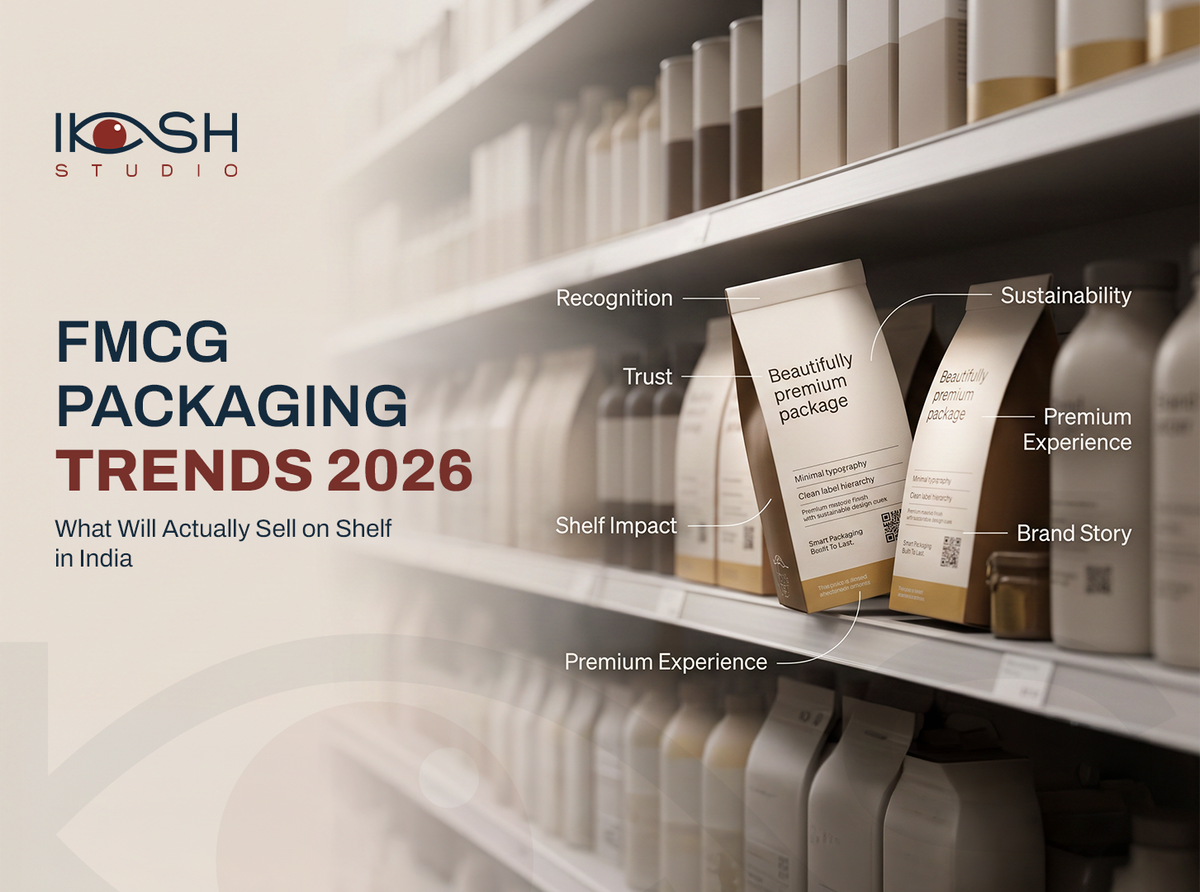
Walk into any supermarket, and you'll find hundreds of products competing for one thing — your attention. Before customers compare prices or read product details, they notice the packaging.
In today's competitive FMCG market, packaging is far more than a protective wrapper. It communicates quality, builds trust, and influences purchasing decisions within seconds. As consumer expectations continue to evolve, brands are expected to deliver packaging that is visually appealing, functional, sustainable, and memorable.
So, what will define FMCG packaging in 2026? Let's explore the key trends shaping the future of consumer brands.
Consumer Expectations Are Changing
Modern consumers expect packaging to do much more than look attractive. They want products that are easy to understand, convenient to use, environmentally responsible, and aligned with the values of the brand.
Successful packaging now balances four key elements:
- Clarity — Easy to identify and understand.
- Sustainability — Responsible materials and reduced waste.
- Convenience — Functional designs that improve usability.
- Brand Experience — Packaging that creates a memorable first impression.
When these elements come together, packaging becomes a powerful tool for recognition, trust, and sales.
1. Minimalism with Purpose
Minimalism continues to dominate, but today's approach focuses on clarity rather than simply reducing design elements.
Clean typography, balanced layouts, and concise messaging help products stand out without overwhelming customers. Brands such as Aesop, The Ordinary, and Minimalist demonstrate how simplicity can create a premium perception and improve shelf visibility.
2. Sustainability Is a Business Expectation
Sustainable packaging has become an essential part of brand perception. Consumers increasingly evaluate whether packaging is recyclable, responsibly sourced, or designed to minimize environmental impact.
Brands that genuinely invest in sustainable materials and thoughtful packaging design are more likely to earn long-term customer trust.
3. Packaging That Tells a Story
Customers connect with brands, not just products. Packaging has become an effective medium for communicating that story.
Whether it's explaining ingredient sourcing, highlighting craftsmanship, or sharing the brand's mission, thoughtful storytelling strengthens emotional connections and helps products stand out in crowded categories.
4. Smart & Connected Packaging
QR codes and digital packaging experiences are becoming standard rather than optional.
Smart packaging can provide:
- Product authenticity
- Ingredient transparency
- Usage instructions
- Brand storytelling
- Loyalty programmes
These digital touchpoints extend the customer experience beyond the physical product.
5. Shelf Impact Drives Purchase Decisions
Consumers often decide within seconds whether to pick up a product. Effective packaging should instantly communicate:
- What the product is
- Why it's different
- Why it deserves attention
Strong shelf presence comes from clarity, hierarchy, and consistent branding — not excessive graphics.
6. Functionality Creates Better Experiences
Good packaging should also improve how customers interact with the product.
Features like resealable pouches, ergonomic bottles, lightweight materials, and easy-pour designs enhance convenience while reinforcing the perception of quality.
7. Premium Is About Perception
Premium packaging isn't defined by expensive finishes alone.
Thoughtful typography, consistent branding, quality materials, and refined layouts often create a stronger premium impression than decorative effects or excessive embellishments.
True premium packaging reflects confidence through simplicity and attention to detail.
Common Packaging Mistakes
Many products fail to stand out because of avoidable design decisions.
Some of the most common mistakes include:
- Overcrowded front labels
- Too many colours and fonts
- Weak typography hierarchy
- Inconsistent branding across product variants
- Poor shelf visibility
- Prioritising decoration over functionality
Successful packaging focuses on communicating clearly before trying to impress visually.
The IKSH Studio Approach
At IKSH Studio, we believe packaging should do more than attract attention — it should communicate, differentiate, and build lasting trust.
Our process begins with understanding the product, audience, and competitive landscape before developing production-ready packaging that balances strategy, functionality, and visual appeal.
Because successful packaging isn't created by following every trend. It's created by understanding what customers value and designing around those insights.
Seen Clearly. Built To Last.
Final Thoughts
Packaging is often the first physical interaction customers have with a brand. It influences first impressions, shapes purchasing decisions, and contributes to long-term brand recognition.
In 2026, the most successful FMCG brands will focus on packaging that is simple, purposeful, sustainable, and customer-centric.
Brands that combine thoughtful design with functionality won't just stand out on the shelf — they'll earn trust, encourage repeat purchases, and build stronger relationships with their customers.
Our perspective
We treat branding as an investment, not a line item. Every deliverable is designed to compound trust, recognition, and pricing power over the next decade — not just look good on launch day.
— Saurabh Jain
Founder & Creative Director
Next step
Need packaging design?
We design packaging that earns the shelf — structure, story and print-ready craft. Tell us where you are today and we'll reply within 24 business hours.
No spam. No pressure. Just a strategic conversation.
Frequently asked questions.
Reader engagement
Comments(0)
Publish instantly
- Loading comments…