Why most beauty brands look the same by their second year
Fast growth often means fast compromise on the brand system, and it shows.
Beauty founders usually get the first identity right — a distinct name, a considered palette, packaging that stands out among launch competitors. The trouble starts in year two, when new SKUs, marketplace demands and influencer collaborations pull the visual system in different directions without anyone owning consistency.
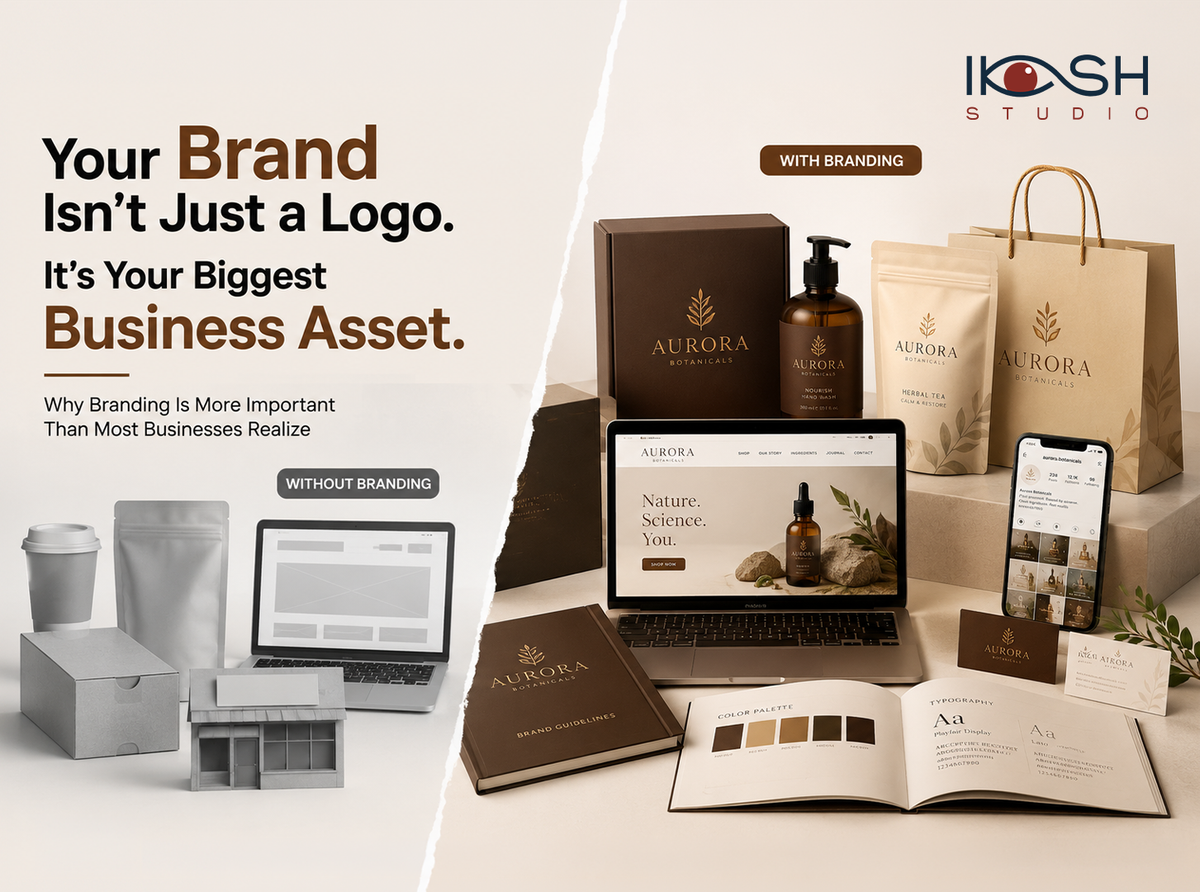
By the time a brand has fifteen SKUs, half of them look like they belong to different companies. Fonts drift, colour codes get approximated by whoever is doing the Canva post that week, and the founder's original distinct positioning gets diluted into generic beauty language because it's easier to write.
The fix isn't more design, it's a proper system built early — one with enough flexibility to launch new products fast, but enough discipline that nothing ships without matching the core identity. Brands that get this right spend less on redesigns and more on actually building recognition.
A beauty brand that needs a redesign every eighteen months never actually finished building its identity.